15 Years of Clinical PEMF Experience
Pulsed Electromagnetic Field Therapy (PEMF)
Non-invasive low-frequency electromagnetic field sessions delivered via whole-body mats and targeted coils to support pain management, muscle relaxation, and day-to-day mobility.
Technology Overview
What Is PEMF and How Does It Work?
Pulsed Electromagnetic Field (PEMF) therapy uses controlled electrical currents passed through copper coils inside a padded mat or contoured applicator to generate time-varying, low-frequency magnetic fields. These gentle pulses pass comfortably through clothing and soft tissue without thermal burning or skin contact irritation.
Research literature—including historical cartilage and tissue-signaling studies conducted at institutions such as NASA’s Johnson Space Center—has explored how electromagnetic pulses interact with cellular signaling and local tissue recovery. While inspired by broad scientific research, commercial clinic equipment is not claimed to be NASA-developed or NASA-approved.
Session Formats
How PEMF Sessions Are Performed
Whole-Body PEMF Mat Therapy
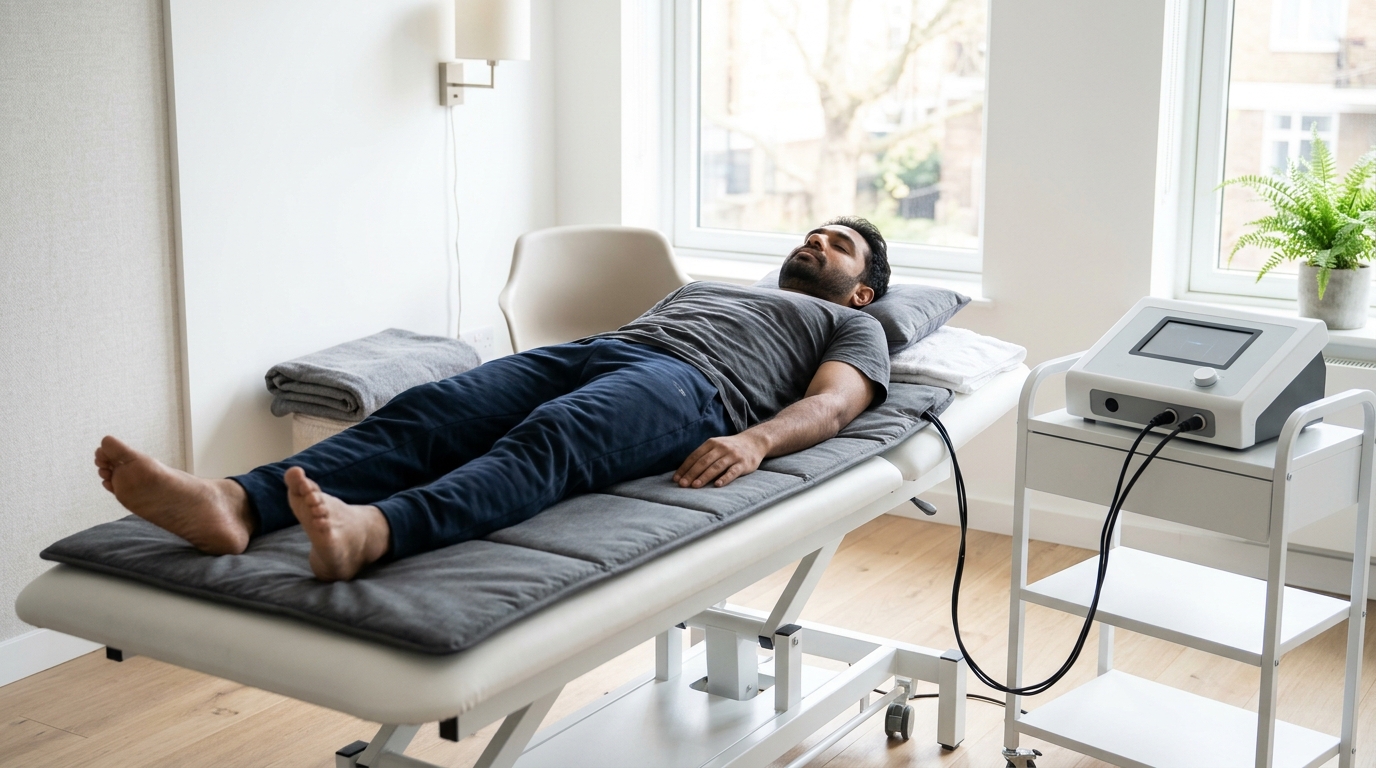
Patients lie fully clothed and relaxed on a cushioned clinical PEMF mat over an ergonomic treatment table. Commonly used when addressing multi-region stiffness, generalized back discomfort, or overall muscular relaxation across a 20–30 minute session.
Targeted Coil & Belt PEMF Application
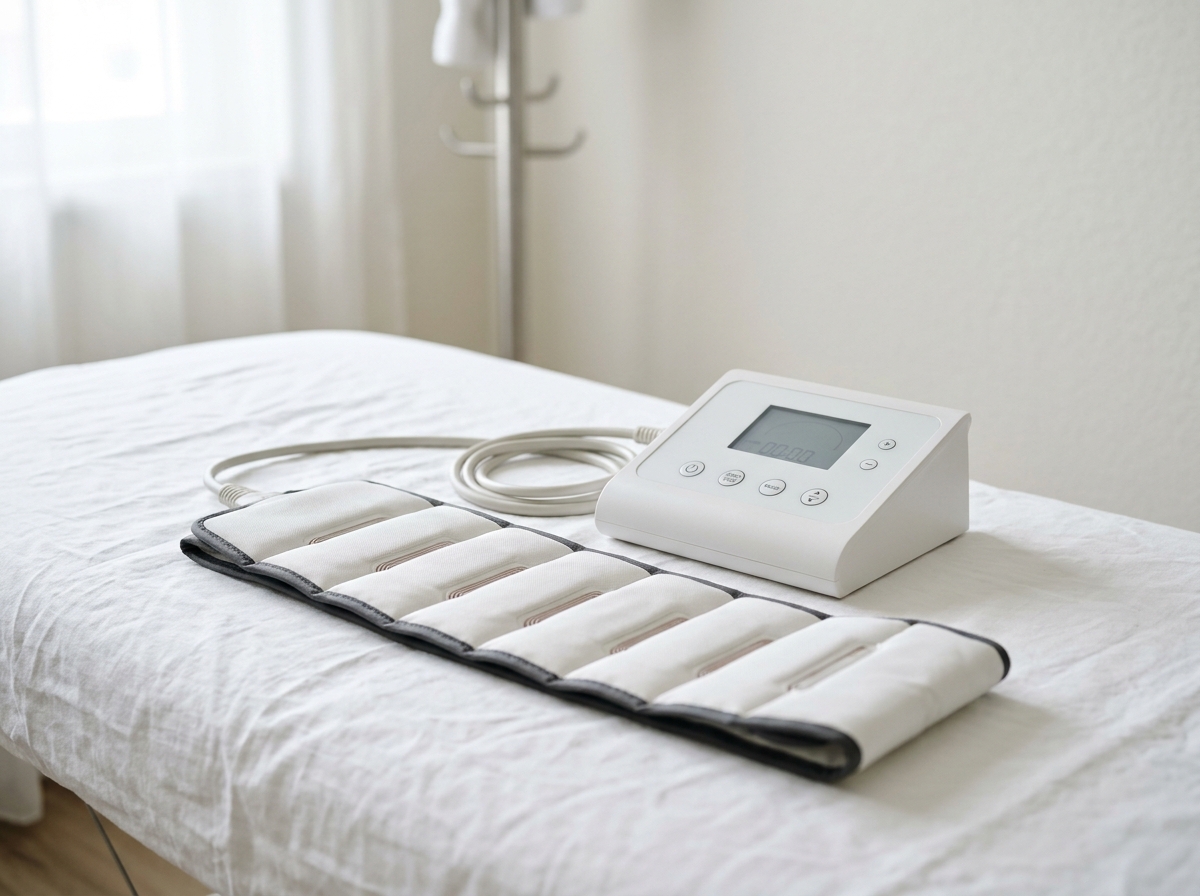
Flexible segmented coil applicators are positioned gently over a specific area—such as the knee joint, cervical spine, lower back, or shoulder—allowing focused pulse delivery tailored to the site assessed by PEMF Therapy Practitioner Samir Singhal (BHMS).
Potential Applications & Limitations
PEMF may help manage discomfort and support mobility as part of a broader physiotherapy plan. Individual outcomes vary and cannot be guaranteed.
- Back and lower back muscular discomfort
- Knee and peripheral joint stiffness
- Neck and shoulder movement tension
- Supportive symptom management in osteoarthritis
- Sports-related soft-tissue recovery
- Selected bone-healing support where coordinated with an orthopaedic specialist
Safety Screening & Contraindications
- •Individuals with cardiac pacemakers, implantable cardioverter-defibrillators (ICDs), insulin pumps, or neurostimulators should not undergo PEMF without explicit physician clearance.
- •Not recommended during pregnancy as a standard precaution.
- •Patients with active bleeding, acute fever, unexplained swelling, or metal implants should disclose their medical history during assessment.
- •Results depend on individual condition, treatment parameters, and adherence to broader medical advice; PEMF is not a guaranteed cure or surgical substitute.
PEMF Therapy Questions & Answers
100% FREE PHYSIOTHERAPY CLINIC
Schedule Your Free Physiotherapy Consultation
All consultations and technology-assisted pain-management sessions at Free Physiotherapy are 100% free of charge. Speak with our Green Park Extension clinic to arrange your morning or evening visit.